New Kings Road Fulham flat rubbish collection access tips
Posted on 13/07/2026
If you live in a flat near New Kings Road, rubbish collection can feel simple on paper and awkward in real life. Narrow hallways, shared entrances, awkward stairwells, timed parking, and the classic "where do we actually leave this?" question all make a difference. These New Kings Road Fulham flat rubbish collection access tips are designed to help you avoid delays, reduce mess, and make the whole job feel a lot less stressful.
Whether you are clearing a few bags after a weekend tidy-up, getting rid of bulky furniture, or arranging a full flat clearance, access is usually the part that decides how smoothly the day goes. Get that right, and everything else becomes easier. Get it wrong, and you end up with wasted time, frustrated neighbours, and items sitting in the wrong place at the wrong hour. Not ideal, to be fair.
This guide walks you through the practical side of collection access in Fulham flats: what to check before booking, how to prepare the route, how to avoid common access issues, and what sensible standards to expect from a professional waste team. It also includes a checklist, a comparison table, and answers to the questions people actually ask.
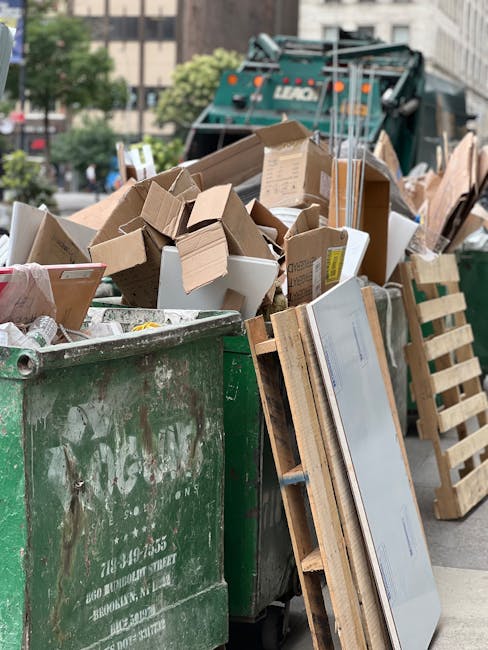
Why New Kings Road Fulham flat rubbish collection access tips Matters
Access is the hidden part of rubbish collection that people often forget until collection day arrives. On New Kings Road and the surrounding Fulham streets, flats often come with shared stairwells, basement storage, limited frontage, or controlled entry. All of that matters because waste teams need a clear, safe way to move items out without blocking neighbours or damaging walls, bannisters, or floors.
In simple terms, good access planning saves time and reduces friction. A collection that looks straightforward online can turn into a slow, awkward job if there is no lift, if entry codes are missing, or if the bulky waste is parked three flights away from the front door. And once one person starts carrying a wardrobe down a narrow stairwell, everyone suddenly remembers how tight those stairs are.
There is also the neighbour angle. In apartment buildings, a collection often affects more than one household. Noise, shared entrances, and temporary obstruction in communal areas can become a nuisance if the route is not planned carefully. Small adjustments, such as choosing an off-peak time or giving building management a heads-up, can make a big difference.
If you are comparing different clearance needs across Fulham, you may also find it useful to look at broader local context in what locals think about living in Fulham and the practical realities discussed in things to love about Fulham London. Those pages are not about waste access specifically, but they do help explain why space and movement can be tight in the area.
How New Kings Road Fulham flat rubbish collection access tips Works
The process is really about preparation. You are not just booking a collection; you are planning a route from your flat to the vehicle. That route might involve a lift, a shared corridor, an internal staircase, a courtyard, a side passage, or a front entrance with limited stopping space.
A good waste collection usually follows a basic pattern:
- You identify what needs removing and where it is located.
- You check whether the items can realistically pass through the building route.
- You note anything that could slow the team down, such as steps, locked gates, low ceilings, or narrow doorways.
- You agree a collection time that suits the building and the road conditions.
- You prepare the items so they can be lifted and carried with minimal delay.
That may sound obvious, but it is where most problems start. One flat owner thinks "the collection is from the address"; the collection crew thinks "we need practical access to the items." Those are not always the same thing.
For example, a sofa in a second-floor flat with a tight turn on the landing might require different handling than a set of bin bags sitting by the front door. The more complex the item, the more important it is to think through the path in advance.
When a collection is part of a bigger clear-out, it can help to look at the wider service picture too. The services overview gives a broader sense of how household, furniture, and mixed waste removals fit together, while the waste collection Fulham page is useful if you want a more general sense of collection options.
Key Benefits and Practical Advantages
When access is planned properly, the benefits are immediate. Things move faster, the property stays tidier, and the whole job becomes less intrusive. In a busy stretch of Fulham, that is no small thing.
- Faster collection: Clear routes mean less time spent carrying items around corners or waiting for someone to find a key.
- Less disruption: Shared hallways, lifts, and entrance areas stay usable for everyone else.
- Lower risk of damage: Planning the route helps protect walls, paintwork, and flooring.
- Better safety: Lifting bulky items through a sensible route reduces strain and accident risk.
- Cleaner finish: The collection feels more organised, which matters if you are preparing a flat for sale, move-out, or rental handover.
There is a quieter benefit too: peace of mind. Once you know the access is sorted, the collection stops living rent-free in your head. That counts for something.
If you are also thinking about waste sorting and greener disposal, the page on recycling and sustainability is a useful companion read. It helps frame collection as more than just "get it gone"; it can also be part of a more responsible clean-up.
Who This Is For and When It Makes Sense
This advice is most useful for people living in flats, mansion blocks, conversions, and managed apartments near New Kings Road where access is not always straightforward. It is also relevant if you are a landlord, letting agent, property manager, or tenant preparing for end-of-tenancy clear-out work.
It makes particular sense when you are dealing with:
- bulky furniture such as sofas, mattresses, wardrobes, or desks
- bagged household rubbish after a declutter or move
- builder's waste from a small renovation
- mixed junk in a basement, loft, or storage cupboard
- communal access issues such as key codes, concierge desks, or shared corridors
It also helps if you are in a hurry. Let's face it, access is much easier to ignore when you have all day. It becomes much less amusing when the van arrives and the parking window is tiny.
For a fuller sense of what different customers use waste services for, you may find the house clearance Fulham and furniture disposal Fulham pages useful, especially if your flat has a mix of items rather than one neat pile.
Step-by-Step Guidance
The easiest way to handle collection access is to work backwards from the waste pile to the street. That sounds slightly odd, but it works.
1. Walk the route with fresh eyes
Start from the item location and follow the route all the way to the exit. Look for narrow turns, low light, wet floors, locked doors, and anything likely to slow a person carrying a bulky item. If you have to turn sideways for a wardrobe, the team probably will too.
2. Measure the awkward bits
You do not always need a tape measure, but it helps. Check the width of the tightest doorway, the sharpest stair turn, and any lift opening. Measure the item itself if it is especially large. This is one of those boring jobs that saves a surprising amount of stress later.
3. Confirm building access
Make sure you have the right keys, codes, fobs, and any permission needed from a concierge or managing agent. If the collection depends on a neighbour unlocking a gate, get that sorted in advance. A five-minute delay can become a twenty-minute one very quickly.
4. Clear the route
Move shoes, plant pots, bins, bicycles, and hallway clutter out of the way. If the hallway is shared, keep the route as neat as possible. You are not trying to create a motorway; you just want a clear line of travel.
5. Separate items by type
Keep furniture, reusable items, and general rubbish apart if possible. That makes loading smoother and may help with recycling. It also helps the crew decide what should be handled first.
6. Time the collection sensibly
Morning is often easier than late afternoon in busy blocks, especially if residents are coming and going. Try to avoid peak school-run or delivery periods if the road is tight. A calmer window often makes the job feel easier than it actually is.
7. Brief everyone involved
If someone else is letting the team in, make sure they know exactly what is being removed and where it is. Half the access problems in flats come from mixed messages: one person expects the van outside, another thinks the items are already downstairs. Classic.
Expert Tips for Better Results
In our experience, the best collections in apartment buildings are usually the ones where somebody has spent ten minutes thinking like a mover. Not a planner. A mover. Different mindset.
Here are the habits that make a difference:
- Keep the heaviest items nearest the exit if you can. Even one small repositioning can save repeated lifting.
- Protect corners with cardboard or blankets. This is especially handy in older Fulham buildings where paintwork can be easily marked.
- Photograph awkward access points. A quick photo of a staircase, doorway, or loading area can help a team understand the job before they arrive.
- Check whether the lift is serviceable. If the lift is tiny, slow, or likely to be busy, plan for stairs instead. Better to be realistic.
- Bundle smaller waste into manageable bags or boxes. Loose items tend to create clutter and slow everyone down.
- Allow a little buffer time. Not because every job runs late, but because flats often have one unexpected wrinkle. One. Always one.
If your collection forms part of a bigger property move or sale, it can help to read about local housing dynamics in property sales and acquisitions in Fulham and Fulham property buying insights. Those pages are useful for understanding why presentation and timing matter so much in the area.

Common Mistakes to Avoid
The same access mistakes crop up again and again, and they are usually easy to avoid once you know them.
- Assuming the van can stop anywhere. On a road like New Kings Road, stopping space is not something to leave to chance.
- Forgetting about communal rules. Some buildings have quiet hours, concierge procedures, or restrictions on moving items through shared spaces.
- Leaving everything in one big pile. That creates confusion and slows down the loading process.
- Ignoring the return route. If crew members can get the waste out but cannot move safely back in and out, the job becomes clumsy fast.
- Booking before checking the access route. This is the big one. It sounds efficient, but it often leads to reshuffling on the day.
Another mistake is underestimating how much rubbish you actually have. A few bags can turn into a full van load once you start separating broken furniture, packaging, and old storage items. It happens all the time. Honestly, more often than people admit.
Tools, Resources and Recommendations
You do not need specialist equipment for every flat collection, but a few simple tools make a real difference.
- Tape measure: Handy for door widths, lift openings, and awkward furniture dimensions.
- Masking tape or notes: Useful for labelling items or marking what is staying and what is going.
- Blankets or furniture covers: Good for protecting walls and bannisters during removal.
- Bin bags and sturdy boxes: Better than loose clutter, which is hard to carry and easy to drop.
- Phone camera: A quick visual record helps you explain access issues clearly.
- Building contact details: Concierge, managing agent, or caretaker information can save a lot of back and forth.
For a broader look at service choices and practical planning, the pricing and quotes page is useful when you want to compare options without guessing. If the collection involves office-style items or mixed clear-out material, the office clearance Fulham page can also help you think through the scale of the job.
If safety and responsible working matter to you, which they should, the pages on insurance and safety and about us are worth a look. They help build confidence before anyone starts moving heavy items through a tight building.
Law, Compliance, Standards, or Best Practice
For flat rubbish collection in Fulham, the safest approach is to follow standard UK waste-handling expectations and building rules rather than cutting corners. You do not need a law degree for this, thankfully, but a few basics matter.
First, waste should be handled by a properly organised collection process, with care taken not to obstruct communal areas or create a hazard. If items are being removed from a flat, they should be carried in a way that protects residents, staff, and the property itself. Common sense, yes, but it is still the standard.
Second, if your building has access conditions, loading restrictions, or communal-space rules, treat them seriously. These may come from the landlord, managing agent, lease terms, or building procedures. The exact details vary, so it is better to check than assume.
Third, bulky or mixed waste should be separated sensibly where possible. That helps with recycling and keeps the job aligned with good waste practice. If you want to make environmentally better choices, the guidance on recycling and sustainability is a practical place to start.
Finally, if a collection company is involved, it should operate with suitable safety awareness, transparent terms, and clear payment handling. You can review the site's terms and conditions, payment and security, privacy policy, cookie policy, and accessibility statement if you want a fuller picture of the service framework. Those pages are not about access logistics specifically, but they do help build trust around the whole booking process.
Options, Methods, or Comparison Table
There is more than one way to handle flat rubbish collection access, and the best choice depends on the building, the item size, and how much time you have. Here is a straightforward comparison.
| Method | Best for | Pros | Watch out for |
|---|---|---|---|
| Front-door collection | Small bags, light mixed waste, quick removals | Fast, simple, low disruption | Needs a clear route and a sensible stopping point |
| From inside the flat | Bulky furniture, multiple items, full clear-outs | Efficient when the route is planned well | Can be difficult in narrow stairwells or small lifts |
| From a communal area | Pre-staged items in a hallway or lobby | Reduces time inside the flat | Must respect building rules and not block access |
| Ground-floor staging first | Large or awkward items in multi-storey buildings | Makes collection day smoother | Requires early planning and enough space to stage items safely |
There is no perfect method. There is only the method that fits your building without turning the day into a small drama. Ground-floor staging is often the most practical for larger clear-outs, while direct collection from the flat works best when access is wide, simple, and free of surprises.
Case Study or Real-World Example
A typical example: a resident in a Fulham flat off New Kings Road needs to clear a two-seater sofa, an old coffee table, several bags of mixed rubbish, and a broken bedside cabinet. The flat is on the second floor, the building has a lift, but the lift is small and shared with other residents.
At first glance, the job looks easy. In reality, the sofa will need careful measuring, the coffee table may be fine, and the bags will probably be the simplest part. The resident checks the lift dimensions, clears the hallway, and leaves the items near the flat entrance rather than scattered in different rooms. They also let the building contact know the collection window and keep the front path clear for the crew.
That small amount of preparation changes everything. The team spends less time navigating obstacles, the neighbours are less inconvenienced, and the collection is finished without any unnecessary back-and-forth. Nothing dramatic. Just a tidy, efficient job.
If the same flat had involved renovation debris, the approach would have changed a little. Builders waste often needs tighter control over bagging, lifting, and access route planning. For that sort of job, the dedicated builders waste disposal Fulham page is the most relevant reference on the site.
Practical Checklist
Use this before collection day. It is short, but it catches most of the avoidable problems.
- Check the route from the waste to the street.
- Measure any narrow doorways, lifts, or stair turns.
- Confirm keys, codes, and building access permissions.
- Tell the building contact or concierge if needed.
- Clear the hallway and communal route of clutter.
- Separate bulky items from bagged rubbish.
- Protect walls, floors, and corners if the route is tight.
- Choose a sensible time slot that avoids the busiest periods.
- Make sure someone is available to answer access questions on the day.
- Keep a phone handy in case plans need a quick tweak.
Quick expert summary: the smoother the access route, the better the collection. Most problems are solved before the van arrives. That is the real trick, nothing fancy.
For readers comparing household disposal options more widely, the service page for garden waste removal Fulham may also be useful if the job includes plant pots, soil bags, or outdoor storage clutter from a balcony or small terrace.
Conclusion
New Kings Road Fulham flat rubbish collection access tips are really about one thing: making the path between your flat and the vehicle as calm and direct as possible. When you think through routes, door widths, building access, and timing in advance, the whole collection becomes easier, safer, and less disruptive.
That is especially valuable in Fulham, where flat layouts vary a lot and shared spaces can make even a simple job feel complicated. A few minutes of planning can save a lot of lifting, waiting, and awkward apologising in the hallway. And honestly, nobody wants to be the person blocking the entrance with a mattress at 8:30 on a weekday morning.
If you want a smoother, more predictable collection, start with access. Then tidy the route, confirm the details, and give the team a clear picture of what they are walking into. Simple. Effective. Human, even.
Get a free quote today and see how much you can save.
With the right preparation, rubbish collection in a Fulham flat does not have to feel like a small battle. It can just be one more thing handled properly, and that is a good feeling at the end of the day.
 Tipper Van - Rubbish Removal and Waste Collection Prices in Fulham, SW6
 Luton Van - Household Waѕte & Green Waѕte Removal Prices


