Craven Cottage Fulham event rubbish clearance for match day hosts
Posted on 17/10/2026
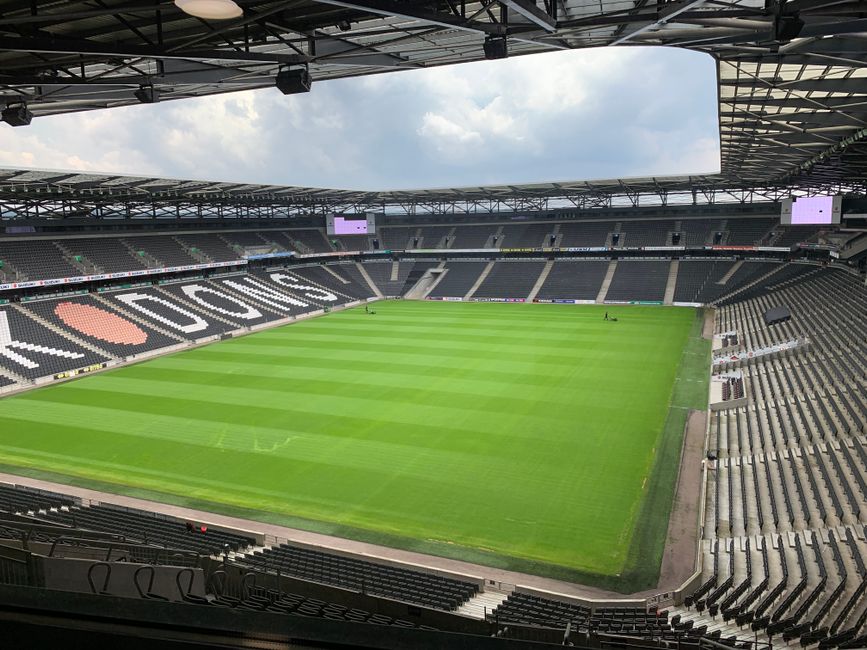
Craven Cottage Fulham Event Rubbish Clearance for Match Day Hosts
If you host guests, staff, clients, or private hospitality around Craven Cottage, the rubbish can build up faster than most people expect. Glasses, food packaging, napkins, cardboard, catering waste, delivery debris, and the odd broken item all seem harmless in the moment, then suddenly the space feels cramped, messy, and hard to reset. That is where Craven Cottage Fulham event rubbish clearance for match day hosts becomes part of the event plan, not an afterthought.
Done well, rubbish clearance protects the guest experience, keeps circulation areas clear, and helps you hand the venue, flat, office, or hospitality space back in decent shape. Done badly, it can create last-minute stress, unpleasant smells, blocked access, and avoidable clean-up costs. In a busy match-day environment, a calm system matters. A lot.
This guide walks through how match-day rubbish clearance works in Fulham, who needs it, what to prepare, and how to avoid the usual mistakes. It also covers practical compliance points, useful comparisons, and a realistic checklist you can actually use. If you are hosting near the ground, or even just taking in guests before and after the match, this should make the whole thing easier.
Why Craven Cottage Fulham Event Rubbish Clearance for Match Day Hosts Matters
Match day hosting is a bit different from a normal party or office gathering. Footfall rises, timings tighten, people arrive in waves, and bins fill up quicker than anyone predicts. Near Craven Cottage, that pressure is even more noticeable because the surrounding streets, homes, pubs, and venues all feel the effects of the crowd. The rubbish is not just a tidy-up issue; it is a space-management issue, a safety issue, and sometimes a reputation issue too.
Think about the practical side. When waste starts piling up, guests notice. Staff have to work around it. Deliveries become harder. Doors, corridors, and outdoor access points can get cluttered. If you are running hospitality, the visual effect matters almost as much as the logistics. Nobody wants to be the host with three black sacks in the corner beside the canapes. Let's be honest, that is not the vibe.
There is also the simple fact that event waste is mixed waste. You may have cardboard from supplies, food waste from catering, bottles, broken packaging, disposable serving items, and maybe even bulky items if furniture or fittings are moved for the occasion. A proper clearance plan helps separate what can be recycled from what has to go as general waste, and it makes the end-of-event reset much smoother.
For hosts around Fulham, the local context matters too. Match days are busy. Streets feel tighter. Parking can be awkward. Timing windows narrow. That means rubbish left too late can become awkward to remove. A well-timed clearance visit can take a lot of pressure off the final hour, which is often the most chaotic part of the day. If you have ever tried to tidy while everyone is finishing drinks and asking where they left their coat, you will know exactly what that feels like.
Practical takeaway: treat rubbish clearance as part of the event setup, not just the clean-down. The earlier you plan it, the easier the entire match day becomes.
How Craven Cottage Fulham Event Rubbish Clearance for Match Day Hosts Works
In practice, match-day rubbish clearance usually follows a simple rhythm: assess, segregate, remove, and reset. The detail changes depending on the venue, the number of guests, and the type of event. A small private screening will need a very different approach from a larger hospitality function or a pre-match business reception.
First, you identify the waste streams. That means asking a basic but useful question: what will actually be generated? Food waste? Bottles and cans? Cardboard boxes? Disposable cups? Broken display materials? The answer tells you how much capacity you need and whether any items should be recycled separately. It also helps you decide what should be cleared during the event and what can wait until after the final guest leaves.
Next comes planning access. If the collection team can get in and out cleanly, everything is easier. That usually means agreeing on arrival times, lift access if needed, where sacks will be staged, and which items must not be mixed with other waste. In tighter Fulham settings, a narrow entrance or shared access route can make a surprising difference. A good setup avoids bottlenecks; a poor one creates them.
Then there is the removal stage itself. Depending on the amount of waste, this might be a scheduled collection for bags and smaller items, or a fuller clearance if you are dealing with furniture, catering kit, and event infrastructure. For hosts juggling a lot of moving parts, it often helps to use a provider that can handle broader waste collection support rather than one-off bag lifting alone. That way, if the event produces more than planned, you are not scrambling for a second solution.
Finally, there is the reset. This is the bit people underestimate. It is not just about taking rubbish away. It is about leaving the space ready for normal use again. Floors clear, surfaces usable, bins emptied, and no lingering clutter in the corners. Very boring, yes. Very valuable, also yes.
Key Benefits and Practical Advantages
Good rubbish clearance gives hosts more than a tidy venue. It reduces friction before, during, and after the event. That sounds neat and corporate, but it is true in the most ordinary way. Less clutter means fewer interruptions. Fewer interruptions mean better hosting. Simple as that.
- Cleaner guest experience: guests are more comfortable when waste is contained and removed promptly.
- Better use of space: seating areas, service routes, and entrances stay open and usable.
- Safer movement: fewer trip hazards, fewer spill risks, and less obstruction around doors and walkways.
- Faster turnaround: the venue can be reset quickly after the match or hospitality window ends.
- Better recycling outcomes: separating cardboard, bottles, and suitable recyclables becomes more realistic.
- Less host stress: one less thing to improvise when the day gets busy.
There is another advantage people forget: professionalism. Whether you are entertaining sponsors, friends, family, or paying guests, the way you handle waste says something about the event as a whole. A clean back-of-house area, tidy collection point, and discreet removal plan all help the day feel organised. Guests may not mention it, but they notice it. They always do.
For some hosts, there is also a practical commercial angle. If your event links to property sales, acquisitions, or hospitality use in Fulham, having a reliable clean-down process makes the space easier to present and use again. That can be especially useful for owners and managers who also need to think about wider local context, as discussed in property sales and acquisitions in Fulham and what locals think about living in Fulham.
Who This Is For and When It Makes Sense
This kind of service is not only for large event companies. In reality, it is useful for a wide mix of match-day hosts and local operators. If you are managing a guest list, serving food, or using a space near Craven Cottage for hospitality, you are probably in the right territory.
- Private hosts running pre-match or post-match gatherings
- Pub and restaurant teams handling match-day overflow
- Hospitality managers hosting corporate guests
- Venue operators with temporary event layouts
- Landlords or property managers preparing a space for repeated match-day use
- Office teams entertaining clients in Fulham before or after the game
- Residents hosting larger social events around busy fixture times
It makes sense whenever the waste volume is more than your usual bins can handle comfortably, or when timing matters and you cannot leave the mess until the next day. That next day can arrive fast. And, to be fair, waking up to three bin bags of damp napkins and bottle tops is not how anyone wants a Sunday morning to begin.
It also makes sense if your event includes more than standard household rubbish. For example, if you are moving furniture, changing layouts, clearing office seating, or disposing of temporary fixtures, a broader clearance service may be more efficient than trying to piece it together yourself. In those cases, a service like furniture disposal or office clearance may fit better than a basic bag collection.
Step-by-Step Guidance
If you want a calmer match day, the best approach is to work backwards from the moment guests arrive. That sounds obvious, but people often do the opposite. They plan the menu, the drinks, the tickets, the transport, and only then remember the bins. A tiny hiccup becomes a bigger one. Easy to do.
- Estimate the waste volume. Think in categories, not just bags. How much catering packaging, drink waste, cardboard, and general rubbish will you produce?
- Separate waste streams early. If recycling is possible, set it up before the event begins. Do not expect guests to guess.
- Choose where waste will be staged. Pick a point that is out of the way but easy to access for removal.
- Agree the timing. Decide whether clearance happens before the event, mid-event, after the final whistle, or in two stages.
- Check access routes. Make sure stairwells, corridors, and entrances stay usable for both guests and removal crews.
- Confirm what can be taken. Some items are straightforward, while others may need separate handling. Ask in advance rather than guessing.
- Keep a final sweep plan. Leave 10-15 minutes at the end to check for hidden waste behind bars, under tables, and in cloak areas.
- Reset and record lessons. If you host regularly, make a note of what was over- or under-estimated. Next time will be easier.
One useful habit is to take a quick photo of the setup area before guests arrive. That way, after the event, you can see what has changed and whether anything has been missed. It is a small thing, but it saves time. Especially when you are half-tired and staring at five bags that somehow multiplied overnight.
Expert Tips for Better Results
Over time, the difference between a stressful clean-down and a smooth one usually comes down to a handful of practical choices. Nothing fancy. Just decent preparation and realistic expectations.
- Use more bins than you think you need. Hosts often undercount waste points. Add a spare station in the busiest area.
- Label recycling clearly. A handwritten sign can outperform a beautifully designed one if the instructions are simple.
- Plan around peak crowd movement. If guests are bunching near entrances at 9.45 pm, do not try to move bulky sacks then.
- Keep liquids separate where possible. Leaky bags are awkward, heavy, and unpleasant to move.
- Have a designated waste marshal. One responsible person on the day avoids ten mixed messages.
- Book with margin, not optimism. Match-day events rarely run exactly to script.
It also helps to think about presentation. A neat bin station is not glamorous, but it stops waste areas from looking like the back end of a festival after a rainy afternoon. Use liner bags that fit properly. Keep lids on where you can. Make sure bottles, cardboard, and food waste are not all tossed together by default.
Truth be told, the most effective hosts are rarely the ones with the fanciest setup. They are the ones who quietly remove friction before anyone else notices it existed.

Common Mistakes to Avoid
Most rubbish clearance problems are predictable. That is the annoying part. They do not come from bad luck; they come from small oversights that pile up. The good news is they are easy enough to avoid once you know what to look for.
- Leaving clearance until the end of the night: by then, access is usually worse and everyone is tired.
- Mixing everything into one pile: this slows collection and can reduce recycling opportunities.
- Forgetting bulky items: tables, display units, damaged decor, and packaging boards are easy to overlook.
- Blocking access routes: bags left in narrow hallways or near exits create avoidable problems.
- Not checking what the provider will take: a quick clarification now is better than a surprise later.
- Underestimating wet waste: food waste and drink leftovers weigh more than they look. Sneaky little thing.
There is also a communication mistake that shows up again and again: assuming everyone involved understands the waste plan. Staff, caterers, hosts, and security should all know the basics. Where the bins are. What goes where. Who handles the final sweep. If that sounds a bit like overkill, it isn't. It is just good event management.
Tools, Resources and Recommendations
You do not need a huge toolkit to handle event rubbish well, but a few simple items make a real difference. The goal is to keep waste contained, visible, and easy to move.
- Heavy-duty bin bags: choose reliable bags that suit the expected waste load.
- Clearly marked bins or tubs: useful for separating recycling from general waste.
- Gloves and basic handling gear: important for staff doing the final clean-down.
- Spare liners and ties: simple, but they save time when bins fill faster than expected.
- Temporary storage area: a sheltered, accessible point for staged collection.
- Event floor plan: even a simple sketch helps identify waste stations and routes.
For hosts who want a broader service picture, it can be useful to review the wider services overview and the company's approach to recycling and sustainability. Those pages help set expectations around what can be handled, how waste is typically sorted, and how a responsible provider works.
If your event has a more ongoing footprint, say regular match-day hospitality or a recurring venue setup, it may also be worth looking at flexible waste collection arrangements rather than treating each event as a one-off emergency. That kind of consistency makes life much easier, especially when the season gets busy.
Law, Compliance, Standards, or Best Practice
When rubbish is generated during an event, the host still has a duty to handle it responsibly. You do not need to become a waste law specialist overnight, but you do need a basic grasp of good UK practice. That means using a lawful waste carrier, keeping waste secure, and avoiding fly-tipping or careless disposal. The safest approach is usually to work with a provider that can explain how waste is handled and what happens after collection.
For hosts in Fulham, practical compliance is often more important than legal jargon. Keep waste contained. Do not leave loose rubbish outside. Avoid overfilling bags to the point they split. Separate recyclable materials where sensible. If there are food-related or commercial waste elements, be careful not to mix them casually with household waste in a way that makes collection awkward or non-compliant.
Safety matters too. Heavy bags should be moved sensibly, not dragged through narrow spaces by someone who is already rushed. Wet floors, broken glass, and crowded exit routes are common event risks. A sensible host plans for these in advance rather than reacting after someone has already slipped, dropped a bag, or blocked a doorway.
If insurance, access, or operational safety is part of your planning, it is worth reviewing the provider's insurance and safety information. For business hosts, transparency around payments is also useful, so payment and security details can be worth checking before the event rather than after it.
And because things do change, always read the current terms and service conditions before booking. A bit of attention now saves a lot of awkwardness later.
Options, Methods, or Comparison Table
Not every event needs the same clearance method. Some hosts only need a tidy bag collection. Others need a fuller removal plan. The right choice depends on how much waste you expect, how quickly it needs to go, and whether bulky items are involved.
| Method | Best for | Strengths | Limitations |
|---|---|---|---|
| Basic bag collection | Smaller gatherings, light catering waste, short match-day events | Quick, simple, low disruption | Not ideal for bulky items or large mixed waste loads |
| Staged event clearance | Busiest hospitality setups and all-day match hosting | Keeps waste under control during the event | Needs planning and clear timing |
| Full event reset clearance | Large venues, temporary layouts, repeated hosting | Best for full clean-down and space recovery | May take longer and involve more items |
| Combined waste and bulky item removal | When furniture, signage, or event equipment also needs to go | Efficient and convenient | Requires more detailed planning |
If your hosting is occasional, a straightforward clearance may be enough. If you run events regularly, a staged approach often works better because it stops waste becoming a problem in the first place. That is usually the smarter move, even if it takes a little more thought up front.
Case Study or Real-World Example
Imagine a small hospitality host in Fulham running a match-day gathering for around 40 guests. There is a buffet table, bottled drinks, cardboard from supplies, and a few temporary tables moved to create more standing room. At first glance, it looks manageable. A few bin bags, maybe. No big deal.
But as the afternoon moves on, the bins fill quickly. Cardboard starts leaning against a wall. Bottle disposal becomes awkward because the recycling point is hidden behind a serving station. By half-time, the host is quietly moving waste out of the main room just to keep the space usable. At the end of the evening, there is more rubbish than expected, and the final sweep takes twice as long as planned.
Now compare that with a host who planned for the same event properly. They placed separate bins for general waste and recyclables, staged a temporary storage point away from guest traffic, and arranged a collection window shortly after the final whistle. The result? The room stayed more usable, staff were less frazzled, and the clean-down felt manageable rather than chaotic. Not perfect, mind you. Just much better.
That is the real value of match-day rubbish clearance: it takes the mess that was always going to happen and prevents it from dominating the day.
Practical Checklist
Use this checklist before your next Craven Cottage event or match-day hosting session:
- Estimate the amount and type of waste you expect
- Set up separate bins for general waste and recycling
- Choose a discreet but accessible staging area
- Confirm collection timing in advance
- Brief staff or helpers on what goes where
- Keep exits, corridors, and service routes clear
- Store glass and sharp items safely
- Use strong bags and avoid overfilling them
- Plan for bulky or temporary event items separately
- Do a final sweep for hidden waste before handover
- Check payment, safety, and service terms before booking
- Review what worked so the next event is smoother
If you host repeatedly, keep the checklist and make notes after each event. A small change in layout or timing can save you more hassle than you might expect. Really, that is where the improvement comes from.
Get a free quote today and see how much you can save.
Conclusion
Craven Cottage match days are exciting, busy, and often a little unpredictable. That is part of the charm. But the waste side of the day does not need to be chaotic. With a clear plan, sensible staging, and the right clearance support, hosts can keep their space tidy, safe, and ready for guests from first arrival to final clear-up.
The key is to treat rubbish clearance as a normal part of event hosting in Fulham, not a messy extra. Once you do that, the whole operation feels more controlled. Guests are more comfortable. Staff are less stressed. And the end of the night does not drag on forever, which, frankly, is a relief for everyone.
If you are planning a future match-day event, start with the waste plan, not the leftovers. It is a small shift, but it changes the feel of the entire day. Calm beats scramble. Every time.

 Tipper Van - Rubbish Removal and Waste Collection Prices in Fulham, SW6
 Luton Van - Household Waѕte & Green Waѕte Removal Prices


